 Ajinomoto India

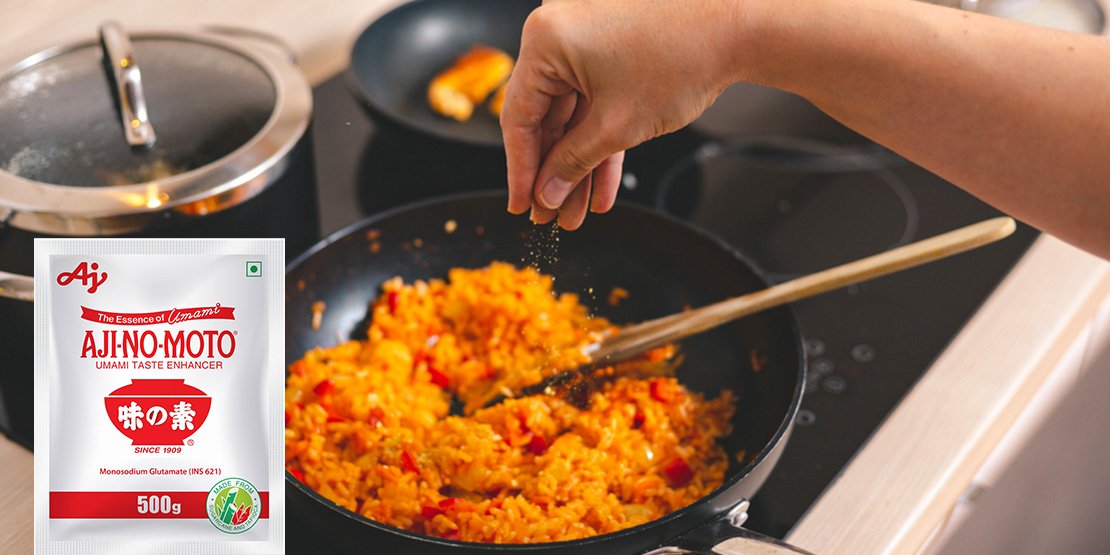
AJI-NO-MOTO ® is an Umami seasoning, which is made from the finest quality crops like sugarcane and tapioca through natural fermentation process. You can cook tasty and delicious food easily and conveniently at home by using AJI-NO-MOTO®.
Umami seasoning AJI-NO-MOTO® is an Umami seasoning, which is made from the finest quality crops like sugarcane and tapioca through natural fermentation process. You can cook tasty and delicious food easily and conveniently at home by using Umami seasoning AJI-NO-MOTO®
Umami seasoning AJI-NO-MOTO® is a product brand name of monosodium glutamate.Monosodium glutamate (MSG) is a flavor enhancer which has been used effectively for over a century to bring out the best flavor of food.Umami seasoning AJI-NO-MOTO® is an Umami seasoning, which is made from the finest quality crops like sugarcane and tapioca through natural fermentation process.
Raw Material Used To Produce Umami seasoning AJI-NO-MOTO® :
MSG is the combination of glutamate and sodium.
Components Of MSG
Glutamate is one of the amino acids which is found abundantly in most natural foods such as tomato, onion, cheese and milk etc.
Sodium is one of the essential minerals which is needed for the daily functioning of the human body.
Natural Sources Of Glutamate
Even mother breast milk also contains glutamate content in it.
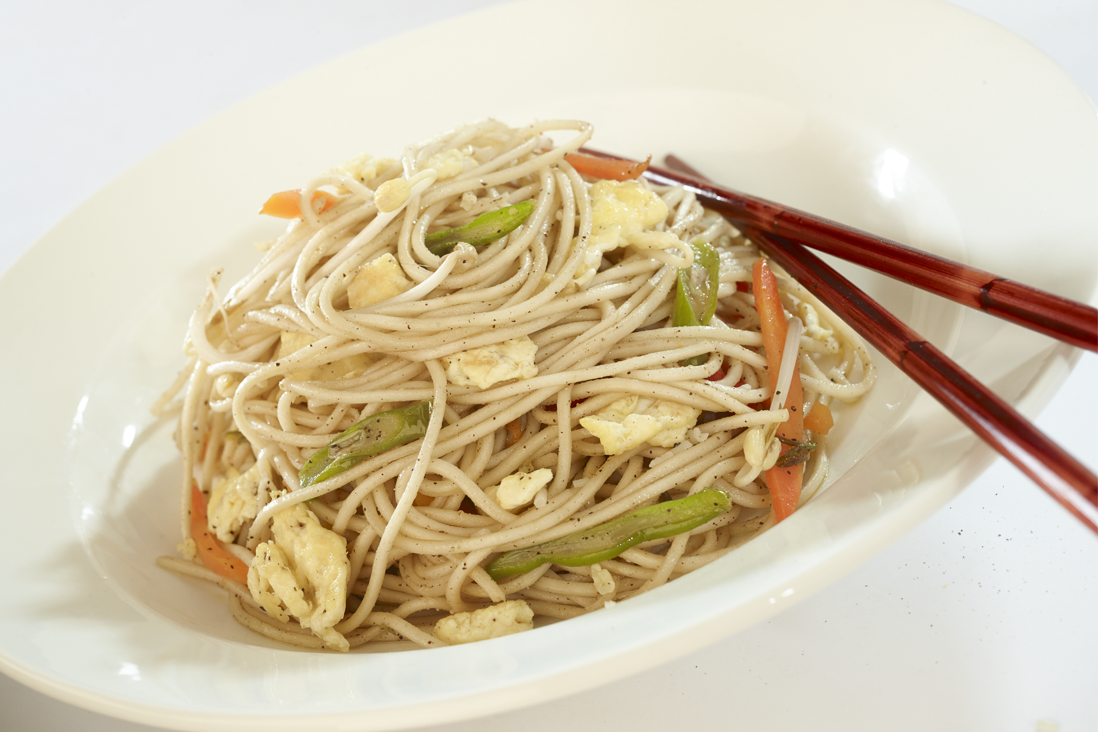
AJI-NO-MOTO® Umami seasoning has been safely enjoyed worldwide since 1909. It is one of the most researched food ingredients, with numerous scientific studies confirming the safety of MSG, naturally found in foods like tomatoes and mushrooms.
One of the basic tastes
When we taste foods, we experience the sensation of deliciousness using all of the five senses such as smell, sight and touch. Of course, taste is the deciding factor. The important elements of food acceptability are the tastes, “sweet” “sour”, “salty” ,”bitter”, and “umami”, which are known as the basic taste. A basic taste is an independent taste which can not be created even though the combination of other taste. Among basic taste, umami was discovered in 1908 by Dr.Kikunae Ikeda, He focused on the taste kombu dashi (soup stock of kelp), and revealed that the component of taste is glutamate. He named this taste “umami”.
The tongue has receptors for umami substances
The surface of the tongue has three types of taste papillae, and each papilla has taste buds. It is said that adults have between approximately 7,500 and 12,000 taste buds.Taste buds are composed of taste cells, which have taste receptors on their surface. Receptors receive taste substances. The human tongue has mechanisms to detect the basic tastes of sweet, sour, salty, bitter, and umami, and transmits information regarding taste to taste nerves. The existence of these receptors indicates the necessity to physiologically recognize the five basic tastes. The academic community has acknowledgedumami as a basic taste due to the fact that, as with other basic tastes as well, there is a specific receptor for detecting umami and its signal is transmitted to the brain by a taste nerve.
Major Umami Substances.
There are three major umami substances: glutamate, inosinate, and guanylate. Glutamate is a common amino acid found abundantly in nature. Nucleotides that contribute the most to umami taste, inosinate and guanylate, are also present in many foods. These major umamisubstances were discovered by Japanese scientists, and now umamitaste is a universal taste in various foods in the world.
Natural Sources of Umami
Glutamate (umami substance) is a major constituent of food proteins (vegetables and meat). In addition,free glutamate is present naturally in most foods, such as meat, poultry, seafood and vegetables. Tomatoes are especially rich in glutamate, and this is one of the reasons that tomatoes are widely used throughout the world to impart the taste of umami in a wide variety of dishes.
| Vegetable | mg/100g |
|---|---|
| Cabbage | 50 |
| Spinach | 48 |
| Tomatoes | 246 |
| Green asparagus | 49 |
| Corn | 106 |
| Green peas | 106 |
| Onions | 51 |
| Potatoes | 10 |
| Meat, Poultry & Seafood | mg/100g |
|---|---|
| Beef | 10 |
| Chicken | 22 |
| Scallops | 140 |
| Snow crab | 19 |
| Blue crab | 43 |
| Alaska king crab | 72 |
| White shrimp | 20 |
| Cheese & Milk | mg/100g |
|---|---|
| Emmenthal | 308 |
| Parmesan | 1680 |
| Cheddar cheese | 182 |
| Cow milk | 1 |
| Goat milk | 4 |
Glutamate in our body
Almost 70%of our body consists of water, almost 20% consists of protein, and almost 2% of body weight is glutamate, which is found in muscles, in the brain, in the kidneys, in the liver and in other organs and tissues. The average person consumes between 10 and 20 grams of bound glutamate and one gram of free glutamate in the food which we eat everyday. In addition, the human body synthesizes about 50 grams of free glutamate daily.
Glutamate contents in breast milk
Of the 20 free amino acids in human breast milk, glutamate is the most abundant; it accounts for more than 50% of the total free amino acid content. Its presence may influence the taste acceptability to nursing infants. In particular, the glutamate content of human breast milk is almost ten times higher than that
Which tastes do babies like?
The four images below show the reactions of babies after tasting umami, sweet, sour and bitter. As you can see, they display a happy expression after tasting something sweet, while they screw up their faces after consuming sour and bitter tasting foods. After consuming umami, meanwhile, in the form of vegetable soup with monosodium glutamate added, they display a calm face similar to that when having consumed something sweet. Thus, babies too can recognize different tastes, including umami. The taste and aroma of breast milk is influenced by the taste and aroma of food consumed by the mother. Through its mother’s milk, the baby can experience a wider world of taste.
Glutamate contents in breast milk
Of the 20 free amino acids in human breast milk, glutamate is the most abundant; it accounts for more than 50% of the total free amino acid content. Its presence may influence the taste acceptability to nursing infants. In particular, the glutamate content of human breast milk is almost ten times higher than that
Taking its name from Japanese, umami is a pleasant savory taste imparted by glutamate, a type of amino acid, and ribonucleotides, including inosinate and guanylate, which occur naturally in many foods including meat, fish, vegetables and dairy products. As the taste of umami itself is subtle and blends well with other tastes to expand and round out flavors, most people don’t recognize umami when they encounter it, but it plays an important role making food taste delicious.
Please visit our website at Umami Rich Food where you can get glutamate scores of dozens of natural ingredients. Please note the score varies by individual specificity.
Though the glutamate in MSG and in umami-rich ingredients is the same, MSG is one of the umami substances that is commercially made using the fermentation method from natural ingredients such as sugar cane. And umami is a savory taste derived from naturally occurring glutamates such as tomatoes, cheese and cured hams.
Umami is the fifth taste which exists in various natural ingredients. Meanwhile, there are a wide range of products which present umami. e.g. umami seasoning (Monosodium Glutamate, MSG)
Ajinomoto India Private Limited
Plot No.14, One Hub Chennai,
Panchanthiruthi Village,
Manambathi Post,
Chengalpattu District,
Tamil Nadu – 603 105,
India.
Copyright © 2024 All Rights Reserved.
